For radiologists & sonologists

Ultrasound Fellowship Program

Premier hands-on fellowship training using state-of-the-art equipment including the GE Voluson Expert 22 — mentored by nationally recognised radiologists.

Applications open for the 2025–2026 batch

For Radiologists (MD/DNB/DMRD)

  • Advanced foetal ultrasound — anomaly scans (TIFFA), growth monitoring, advanced Doppler, NT/NB scans and early pregnancy assessment.
  • Foetal echocardiography — in-depth fetal heart evaluation with 2D/3D/4D echo and diagnosis of congenital heart defects. Available only to fellows who have completed at least 6 months of fellowship in foetal and general ultrasound.
  • Specialised modules — neurosonography, musculoskeletal ultrasound and advanced 3D/4D imaging.
  • Clinical practice — high-volume, diverse cases with extensive discussion and independent reporting under supervision.

For Sonologists (MBBS)

  • Comprehensive general ultrasound — abdomen, pelvis, small parts (thyroid, breast) and advanced Doppler.
  • Foetal ultrasound fundamentals — biometry, anomaly screening and monitoring fetal well-being.
  • Practical skills — hands-on scanning technique, patient communication, ethics and protocol optimisation.
  • Mentorship — direct guidance and continuous feedback from senior radiologists.

Program highlights

NABH accredited

Quality-assured training environment.

Expert faculty

Nationally recognised radiologists.

High case volume

Extensive hands-on experience.

Certificate

Recognised completion certificate.

Eligibility

Radiologists: MD/DNB/DMRD or equivalent. Sonologists: MBBS with recognised ultrasound certification. PNDT: registration with Mann Scanning Centre is mandatory, initiated after the official acceptance letter.

Foetal echo track

Offered only to fellows who have completed at least 6 months of fellowship in foetal and general ultrasound — a higher-level pathway, not entry-level.

Duration & certification

Flexible 6 to 12 months, tailored to the track. A certificate of completion is awarded on successful completion.

Batch size

Limited to 1–2 fellows per batch to ensure personalised attention and hands-on learning.

Advanced equipment

Train on the latest ultrasound technology, led by our flagship GE Voluson Expert 22.

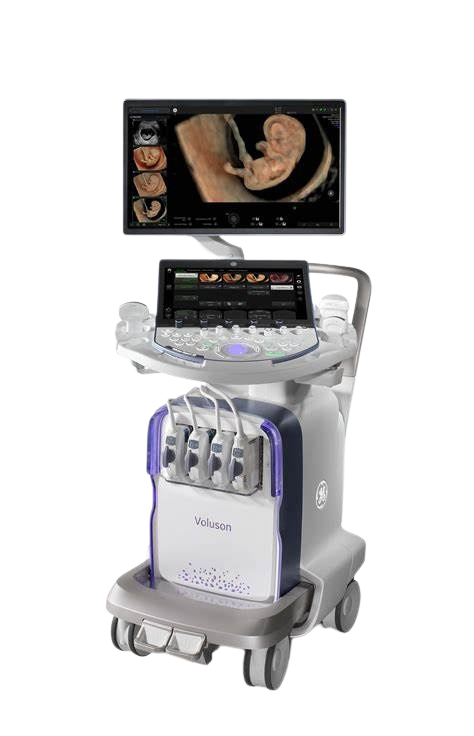
GE Voluson Expert 22

GE Voluson Expert 22

Latest generation

  • AI SonoCNS fetal brain imaging
  • 5D HDlive Studio
  • Advanced elastography
  • Enhanced 3D/4D rendering
GE Voluson E10

GE Voluson E10

High performance

  • HDlive 3D/4D imaging
  • Advanced Doppler
  • SonoBiometry automation
  • Comprehensive obstetric tools
GE Voluson S8

GE Voluson S8

Reliable platform

  • 4D real-time imaging
  • Excellent resolution
  • Comprehensive probes
  • Proven reliability
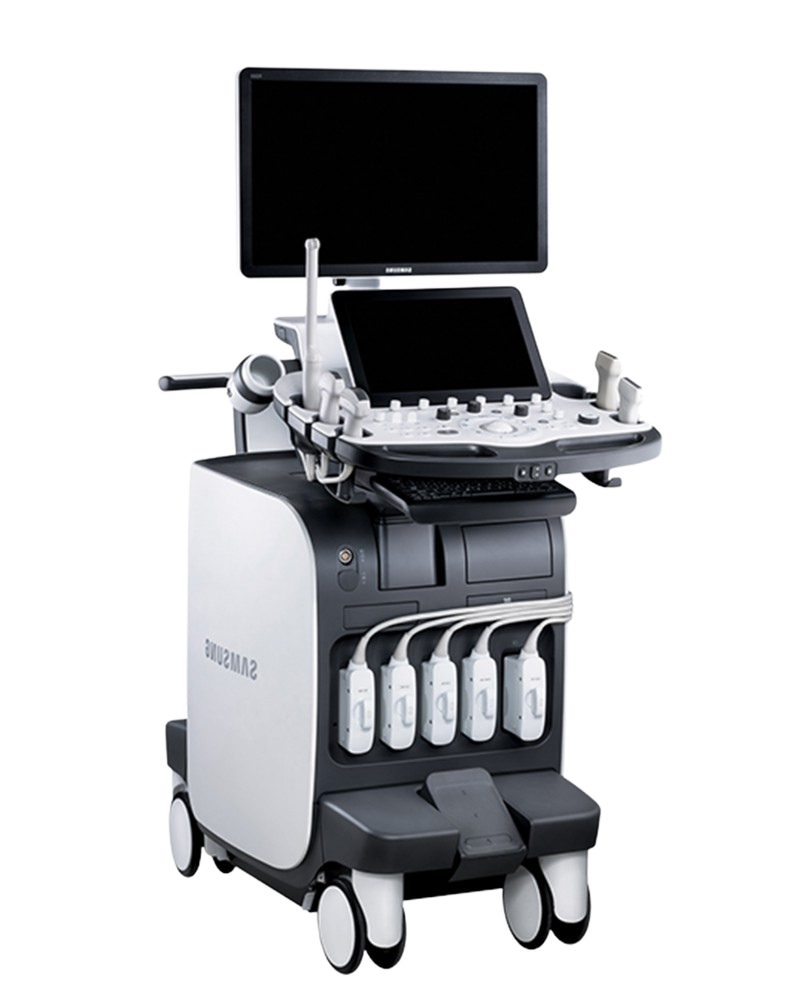
Samsung RS85

Samsung RS85

AI cardiac imaging

  • Cardiac echocardiography
  • Vascular Doppler
  • Advanced AI algorithms
  • Elastography

Technology excellence

Advanced probes

Convex, linear, endocavity and specialised transducers.

AI integration

Automated measurements and enhanced diagnostics.

Elastography

Advanced tissue-stiffness assessment.

4D/5D imaging

Real-time HDlive anatomical visualisation.

Comprehensive curriculum

Didactic training

  • Weekly lectures on ultrasound physics & principles
  • Image optimisation and artifact recognition
  • Pathology correlation & differential diagnosis
  • Research methodology & evidence-based practice
  • Quality assurance & safety protocols
  • Recent advances in ultrasound technology

Hands-on training

  • Daily supervised scanning sessions
  • Progressive case complexity
  • Probe handling & technique mastery
  • Patient communication & protocols
  • Independent reporting with feedback
  • Emergency ultrasound procedures

Specialised modules

Obstetric ultrasound

  • First trimester screening & dating
  • Advanced anomaly scanning (TIFFA)
  • Fetal growth & Doppler
  • High-risk pregnancy monitoring

Fetal echocardiography

Requires 6+ months prior fellowship.

  • Cardiac anatomy & physiology
  • 2D/3D/4D echo techniques
  • Congenital heart defect diagnosis
  • Fetal arrhythmia assessment

Abdominal ultrasound

  • Hepatobiliary & pancreatic
  • Renal & urinary tract
  • Spleen & retroperitoneal
  • Emergency abdominal ultrasound

Small parts & MSK

  • Thyroid & parathyroid
  • Breast ultrasound & biopsy guidance
  • Tendon & ligament imaging
  • Peripheral nerve evaluation

Vascular ultrasound

  • Carotid & vertebral Doppler
  • Peripheral arterial & venous
  • Renal artery evaluation
  • Transcranial Doppler

Neurosonography

  • Transcranial colour Doppler
  • Neonatal brain ultrasound
  • Spinal ultrasound
  • Critical care neurosonography

Assessment & certification

Continuous assessment

Case presentations, image-interpretation tests and practical scanning assessments.

Final examination

Theory, practical skills and case-management abilities.

Certification

Certificate of completion with evaluation and recommendation letters.

Apply for the fellowship

Applications are open for the 2025–2026 batch — limited seats, apply early. Due to the large number of applications, only select candidates may be contacted.

If the form does not submit, please email your details to harkaran@msn.com. Due to the large number of applications, only select candidates may be contacted.

Required documents

  • Updated CV / resume
  • Photocopy of medical license
  • One letter of recommendation

Selection criteria

  • Academic performance
  • Clinical experience
  • Professional references
  • Clear career objectives
  • Commitment to learning

Program timeline

Application phase

Ongoing (rolling admissions). Submit complete application, document verification and initial screening.

Interview & assessment

1–2 weeks after application. Virtual or in-person interview, technical assessment and reference verification.

Selection & offer

1 week after interview. Final selection, offer letter and program-details confirmation.

Pre-program preparation

2–4 weeks before start. Orientation, equipment familiarisation and study materials.

Program start

6–12 months. Intensive hands-on training, didactic sessions, case discussions and assessments.

Program completion

Final month. Final examination, project submission, certification and career guidance.